

Senate expected to vote on bill next week

WASHINGTON — The final version of the National Defense Authorization Act (NDAA), which includes the Lumbee Fairness Act that would grant full federal recognition to the Lumbee Tribe, passed the U.S. House of Representatives with a significant majority on Wednesday afternoon.
The bill, which is largely a defense spending bill, passed 312-112. Republican members overwhelmingly supported the bill, with 197 voting for it and only 18 against, but it also had support from the majority of Democrats, which voted 115-94.
The bill will now go to the U.S. Senate, which is expected to vote on it next week. If it passes the Senate, it would be sent to President Donald Trump for to be signed into law. The president’s budget office stated Tuesday that if the bill reached the president in its current form, he would sign it into law.
The Lumbee Fairness Act was initially included as an amendment in the House version of the NDAA for the 2026 fiscal year, which passed on Sept. 10. The Senate version of the bill, passed on Oct. 10, did not include the Lumbee Fairness Act; however, bills must be merged into one version before becoming law, and as the Senate and House have merged their two versions, the Lumbee Fairness Act is included in the final bill.
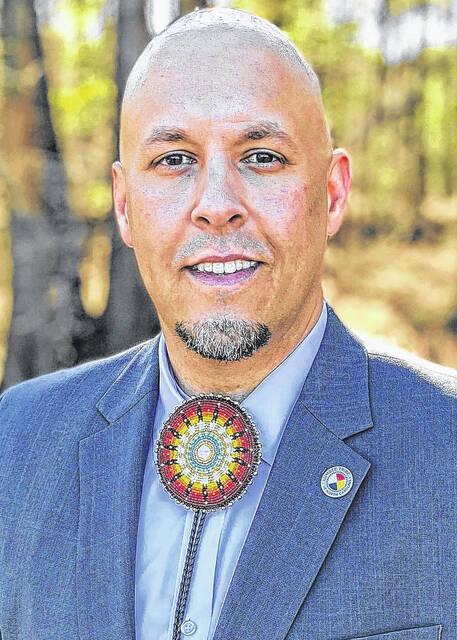
“First, I want to thank God for his blessings on our people,” said Lumbee Tribal Chairman John Lowery. “I would also like to thank Speaker (Mike) Johnson and House leadership, along with Congressman (David) Rouzer, and Congressman (Mark) Harris and the rest of bipartisan North Carolina House Delegation that supported our bill. I want to thank President (Donald) Trump and his White House Team for ensuring that our bill stayed a priority during the NDAA negotiations. We now look forward to the next step, which is passage in the United States Senate.”
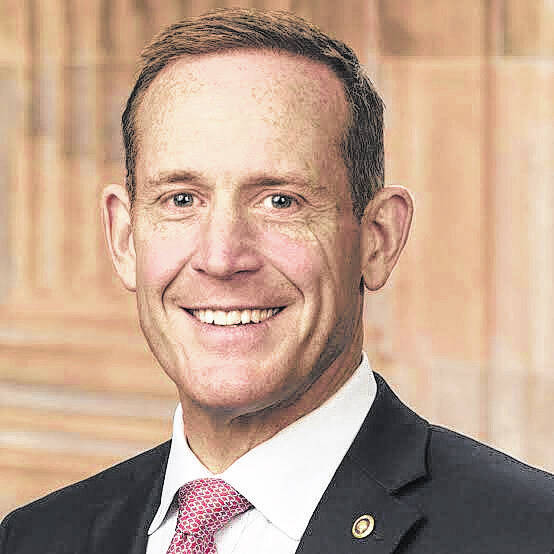
Lowery said he will continue to work with U.S. Sens. Thom Tillis and Ted Budd, North Carolina’s two members in the Senate, to get this bill across the finish line, a press release said.
“I want to thank the North Carolina Congressional delegation for their strong support,” said Lumbee Tribal Council Speaker Alex Baker. “Thank you to Tribal Chairman Lowery for his tireless efforts toward this historic moment. I also ask for our Tribal Citizens continued prayers as the legislation moves to the Senate and ultimately to the President.”
Versions of the Lumbee Fairness Act have been introduced numerous times, including in the last few terms of Congress, and have passed the U.S. House of Representatives — often by overwhelming majority — but have not been voted on in the U.S. Senate.
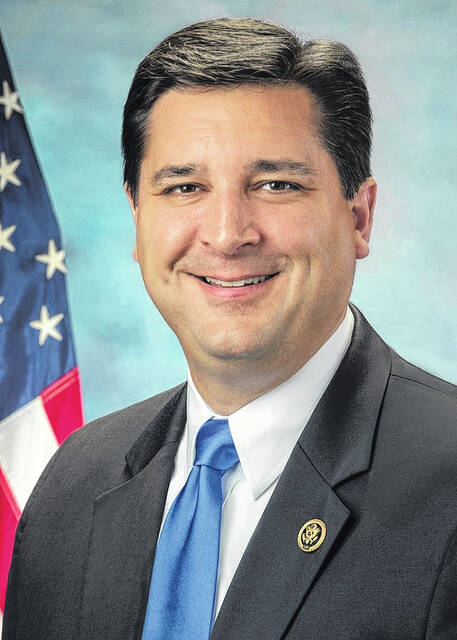
The current version of the Lumbee Fairness Act was introduced to the U.S. House on Jan. 16, just days after the new session of Congress began, sponsored by U.S. Rep. David Rouzer (R-NC7), whose district includes some eastern and northern areas of Robeson County, and cosponsored by most members of North Carolina’s House delegation, from both parties, including U.S. Rep. Mark Harris (R-NC8), whose district includes the majority of Robeson County.
Harris addressed the Lumbee’s quest for full federal recognition in a speech on the House floor Wednesday.
“For decades the Lumbee Tribe of North Carolina has sought full recognition, a goal which has eluded them despite their profound contributions to our state and nation,” Harris said in part. “I am deeply grateful to President Trump for his steadfast support of the Lumbee Tribe, from his campaign promises to his actions in office, and actually collaborating across both chambers to secure the full federal recognition and benefits the Lumbee rightfully deserve. Let us vote yes today and finally end this long fight, affirming the recognition they have earned and so richly merit.”
Of the 14 North Carolina members of the U.S. House, only Rep. Alma Adams (D-NC12) and Rep. Brad Knott (R-NC13) voted against the NDAA.
North Carolina’s U.S. Senators, Republicans Ted Budd and Thom Tillis, each cosponsored a Senate version of the Lumbee Fairness Act which was also reintroduced in January. Tillis has been an outspoken supporter of Lumbee recognition, seeking to get the bill passed before he leaves the Senate at the end of 2026. Tillis testified in favor of Lumbee recognition during a hearing by the U.S. Senate Committee on Indian Affairs on Nov. 5.
Rouzer said during a House floor speech in September that bills to grant the Lumbee Tribe full federal recognition have been introduced over 30 times since 1956, and that 23 other tribes have earned recognition through congressional action since 1978.
Congress granted the Lumbee Tribe partial recognition with the Lumbee Act of 1956. But that legislation, which came during the Indian Termination Era as the federal government often sought to distance itself from Native American tribes, stated that the Lumbee could not receive the benefits of full federal recognition.
While there are generally two ways to obtain full federal recognition — through an act of Congress, or through the Office of Federal Acknowledgement, which is part of the U.S. Department of the Interior — Lowery has previously stated numerous times that only congressional action can overturn that legislation.
Trump signed an executive order on Jan. 23, just three days after taking office, stating support of recognition was the official position of his administration and directing the Department of the Interior to investigate ways to aide the tribe in that cause. A department report ultimately stated that congressional action was required to overturn the Lumbee Act of 1956 and grant the Lumbee full federal recognition.
If granted full federal recognition, the Lumbee Tribe “shall be eligible for all services and benefits provided by the federal government to federally recognized Indian tribes,” the NDAA text says.
Editor Chris Stiles can be reached at 910-416-5847 or by email at [email protected].